
Writing Tips: Making Time

Writing Tips: Making Time

In my first installment of writing tips, I talked about what you can do to set the stage before actually beginning to write your own newsletter, webpage, article, e-book, or any form of written communication.

Give yourself enough time was the very first tip. Not only do you need enough hours to get the job done, but it’s helpful to know your rhythm and style when working with time to do your writing. Let’s take a closer look.

Get to know your own natural rhythm for when you do your best writing. If you think you know when that is (first thing in the morning, maybe in the evening after dinner), honor that time. Don’t work against it. Find ways to make this time your writing time. Put it on your calendar to keep it from competing with other activities.

If you’re not sure when your “best” time is, do a little experimenting. Try first thing in the morning. Try late at night. Good luck if you want to try mid-afternoon between 2 and 4 p.m., but, hey, you never know!

Recognize that being a morning person doesn’t necessarily translate into that being the best time for you to write. Also know that your natural rhythm for writing may change as your schedule, routines, and life, in general, changes. Be flexible.

Once you’ve established what now seems to be your preferred writing time, decide how much time you need for a particular writing task. Sometimes life can get in the way. If other things have cut into your scheduled writing time, before you throw in the towel, consider getting a start on your writing piece.

During these moments when you don’t have enough time to complete your piece in its entirety, you still have some choices. You can start it now just to get a jump on it, knowing there isn’t enough time to finish. In this instance, sometimes you will surprise yourself and get a lot more done than you first thought possible. Or you may find it helpful to push yourself to get at least the beginning in motion and this may help it flow more when you come back to it later.

Your other decision is to hold off altogether on writing now and plan when you will make time for it. Use the little time you have now to complete other tasks. Crossing other things off your to do list may help you later on by clearing your mind from distractions to write.

Get to know your own rhythm, strengths and preferences for timing your writing and you are sure to get those words flowing.

Punctuation, Spelling, and Grammar, Oh My!

Punctuation, Spelling, and Grammar, Oh My!

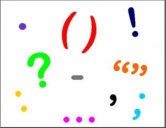
Remember your punctuation its important. You can write and write and write and people have to read and read and keep on reading and can’t even pause to catch their breath if you don’t remember to use your punctuation your commas your periods.

Please, remember your punctuation. It’s important. You can write, and write, and write, and people have to read, and read, and keep on reading. They can pause, to catch their breath, when you remember to use your punctuation: your commas; your periods.

Grammar. Spelling. Punctuation. They don’t come naturally to everyone. They don’t all come naturally to me. Use your resources. I do. Everyone can take the time to spell-check a document. It may not catch everything, but it can help. Don’t ignore the little green or red lines under words on your computer that are just begging you to recheck a word or a phrase. Don’t be too quick to click Ignore. Give it a moment and think it through. If you’re not sure, ask someone else or look it up online. You have resources at your finger tips or just a question away. Use them. Ask. Your readers will thank you.

Add a comment here or drop me a note if you have a question about grammar, spelling or punctuation. I’d love to help!

Message Clarity Is In the Details

Message Clarity Is In the Details

Message clarity begins at home.

Holiday cards.

What could be easier to write and address, right?

Well, … some people like to add apostrophes.

Lots of apostrophes.

Unnecessary apostrophes.

I’m Deb Coman. My family is “The Comans.” Not “The Coman’s.”

Think plural, not possessive.

When envelopes come to “The Coman’s” and from “The Night’s” (Don’t worry, all names other than mine have been changed to protect the guilty), I think “The Coman’s” what?! And please don’t answer “The Coman’s Family.”

It’s easy to remember the proper use of an apostrophe in this case.

There are many of us (plural = no apostrophe) but we don’t have anything (possessive = apostrophe).

But when in doubt, take the easy way out: address it to “The Coman Family.”

Please still keep those cards coming, just check your apostrophes to clarify your message.

And when it comes to your message clarity, be specific with your intention.

Ready to move on from holiday cards to your online presence messaging? Grab my free guide … 3 Costly Content Mistakes … to get started.